
Bexleyheath engineered oak fitter — real wood, stable core
Solid oak boards cup and gap in a modern large 1930s and 1950s semis with central heating on hard. Engineered oak doesn't — the ply cross-grain keeps it flat. Standard recommendation for any DA6/DA7 home with year-round heating.
What engineered oak flooring in Bexleyheath actually involves
Solid oak boards cup and gap in a modern large 1930s and 1950s semis with central heating on hard. Engineered oak doesn't — the ply cross-grain keeps it flat. Standard recommendation for any DA6/DA7 home with year-round heating.
1950s semis usually have chipboard upstairs — checked for squeaks and re-screwed first.
- Real oak top layer over ply core — stable for UK conditions
- UFH-safe options with the right underlay
- Wide 190mm+ planks or classic 125mm
- Sanded and re-oiled multiple times over its life
Before we quote a laminate job in Bexleyheath
- Expansion gaps
Click-lock needs a real expansion gap on every wall — covered by skirting or quality beading, never silicone.
- Underlay & DPM
Ground floors in Bexleyheath large 1930s and 1950s semis usually need a combined underlay/DPM, not plain foam.
- Stairs
Stair nosings glued and pinned — we don't recommend laminate for narrow Victorian flights.
“Lovely carpet fitted by Jordan, really good service, definitely will be using again.” — Louise Bowyer, verified Google review
Bottom line: engineered oak looks like solid, behaves like ply. Best of both.
Postcodes: DA6/DA7 · Routes: the A2 and A220 · Common build: large 1930s and 1950s semis.
Covering Upton, Barnehurst border, Long Lane.
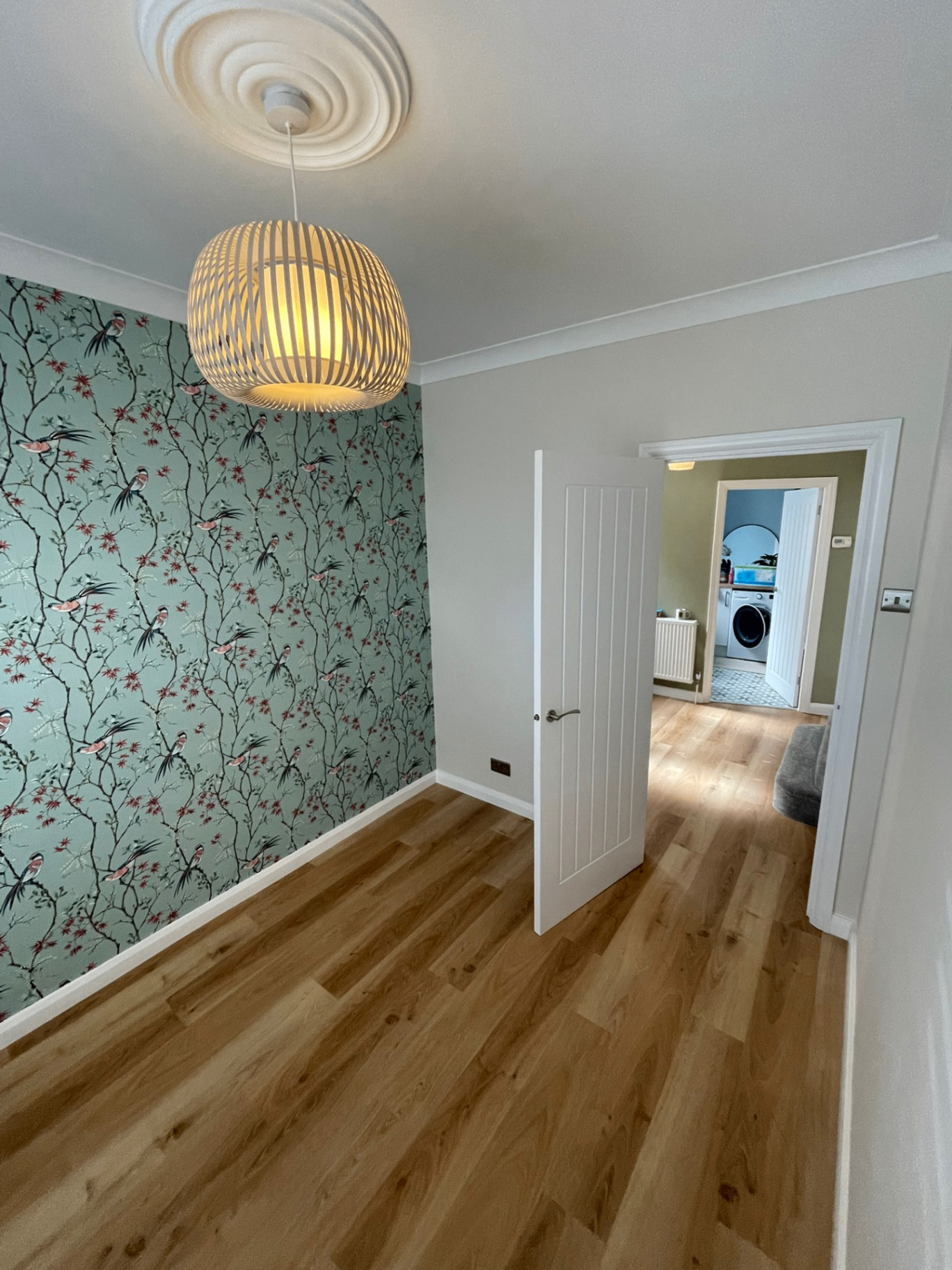
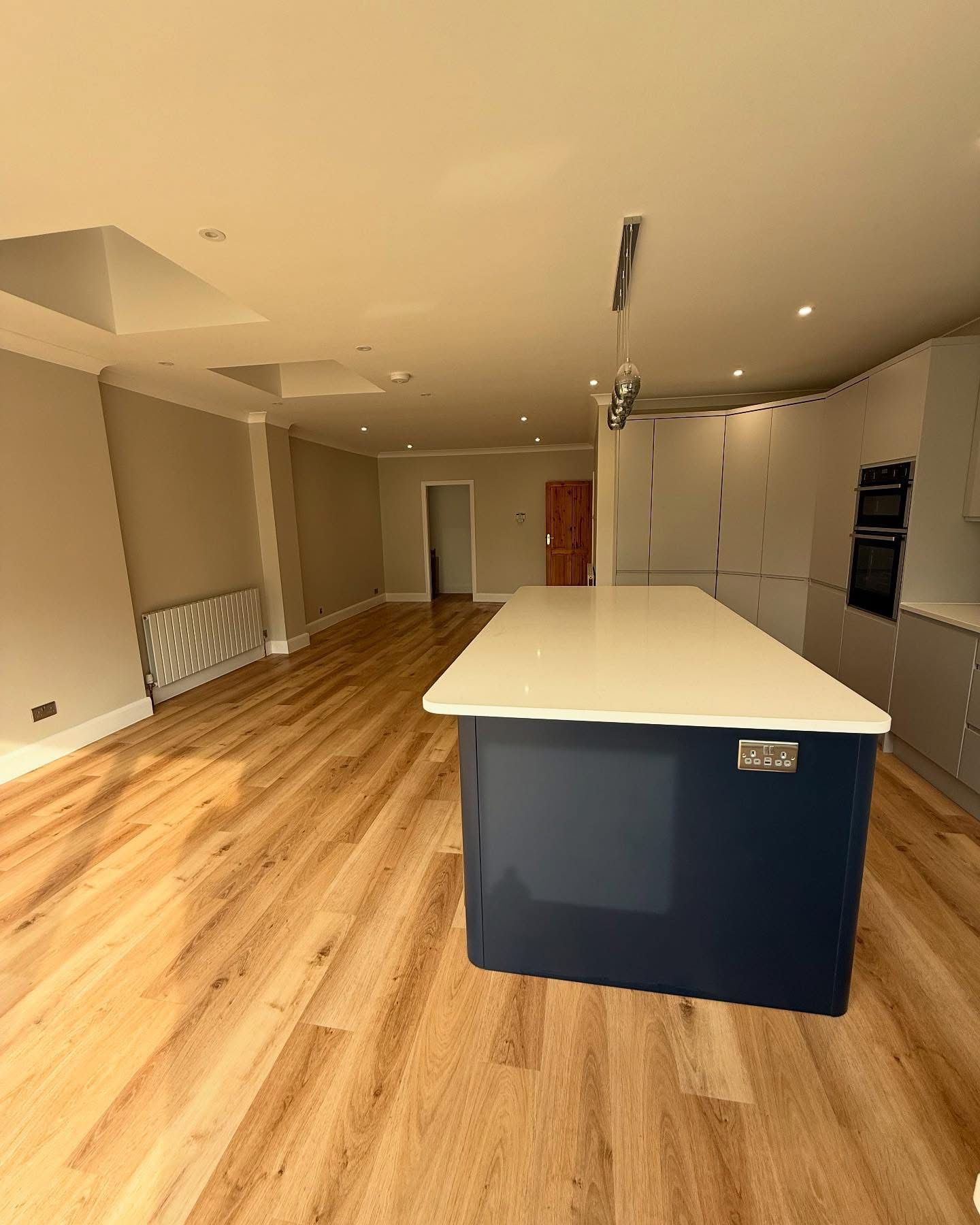
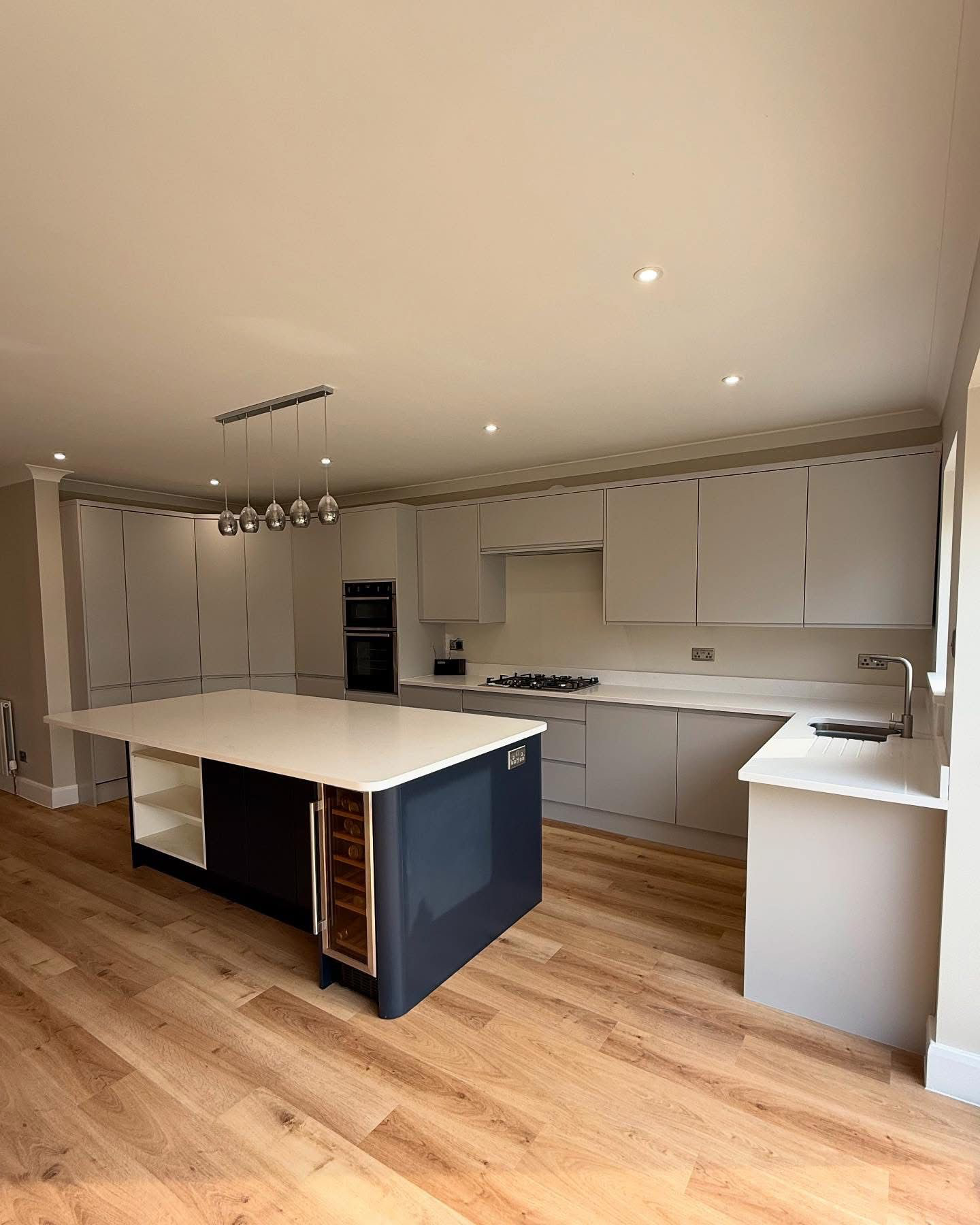
Relevant finishes for engineered oak flooring
Engineered Oak Flooring in Bexleyheath — common questions
In a modern UK home with heating on year-round, engineered lasts longer because it doesn't move. Solid wins in a cool, humid environment — which is rare in DA6/DA7 today.
Yes — with UFH-rated boards (max 15mm total thickness usually) and the right underlay. We spec on the Upton survey.
Oiled looks more natural and can be spot-repaired; lacquered is harder-wearing and doesn't need maintenance. Most Bexleyheath kitchens go lacquered, living rooms go oiled.
Yes — the 4mm real oak top layer can be sanded 2–3 times over its lifetime. Same wearing surface as solid oak, without the movement.