
Period property flooring across Greenwich
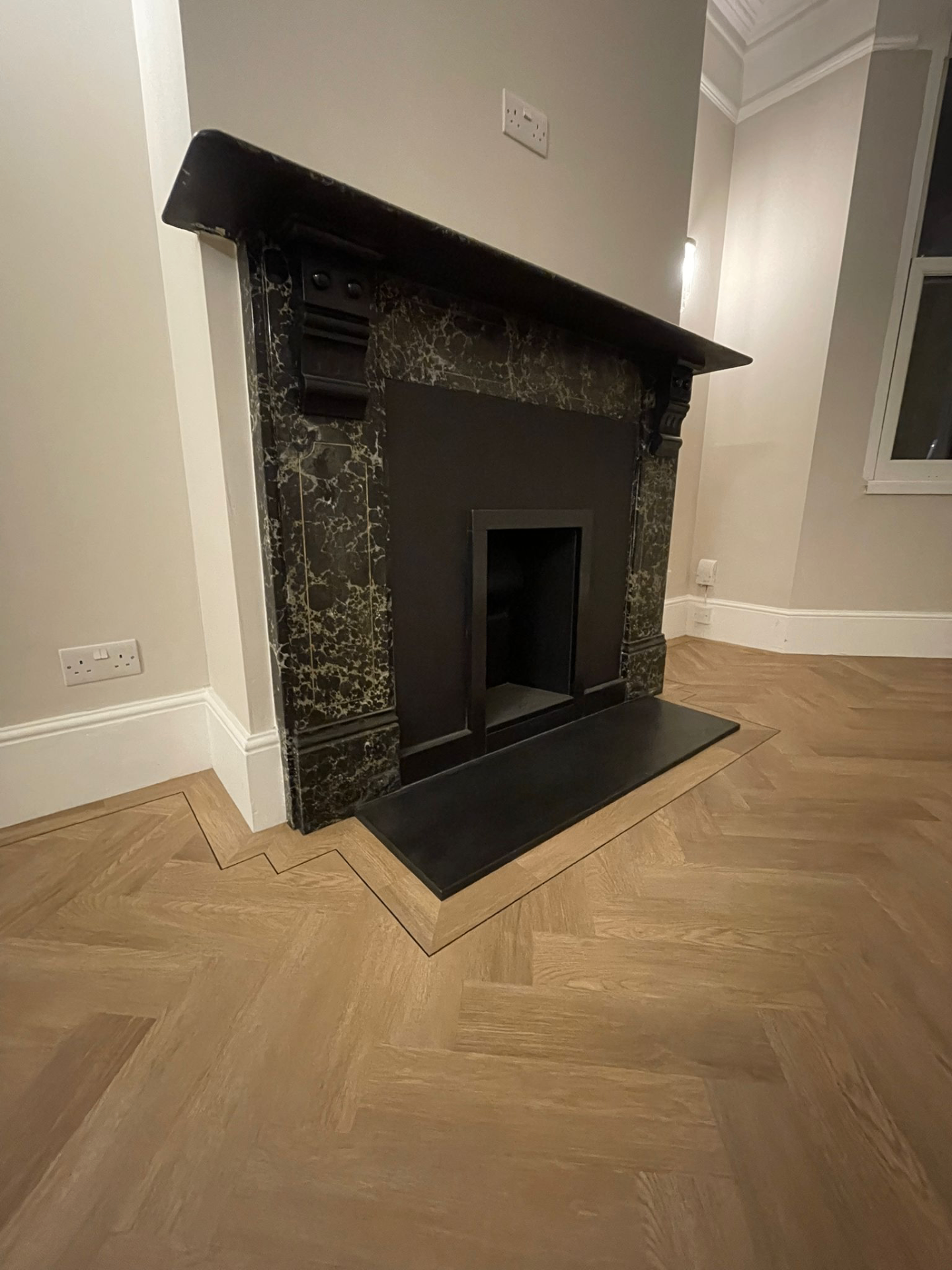
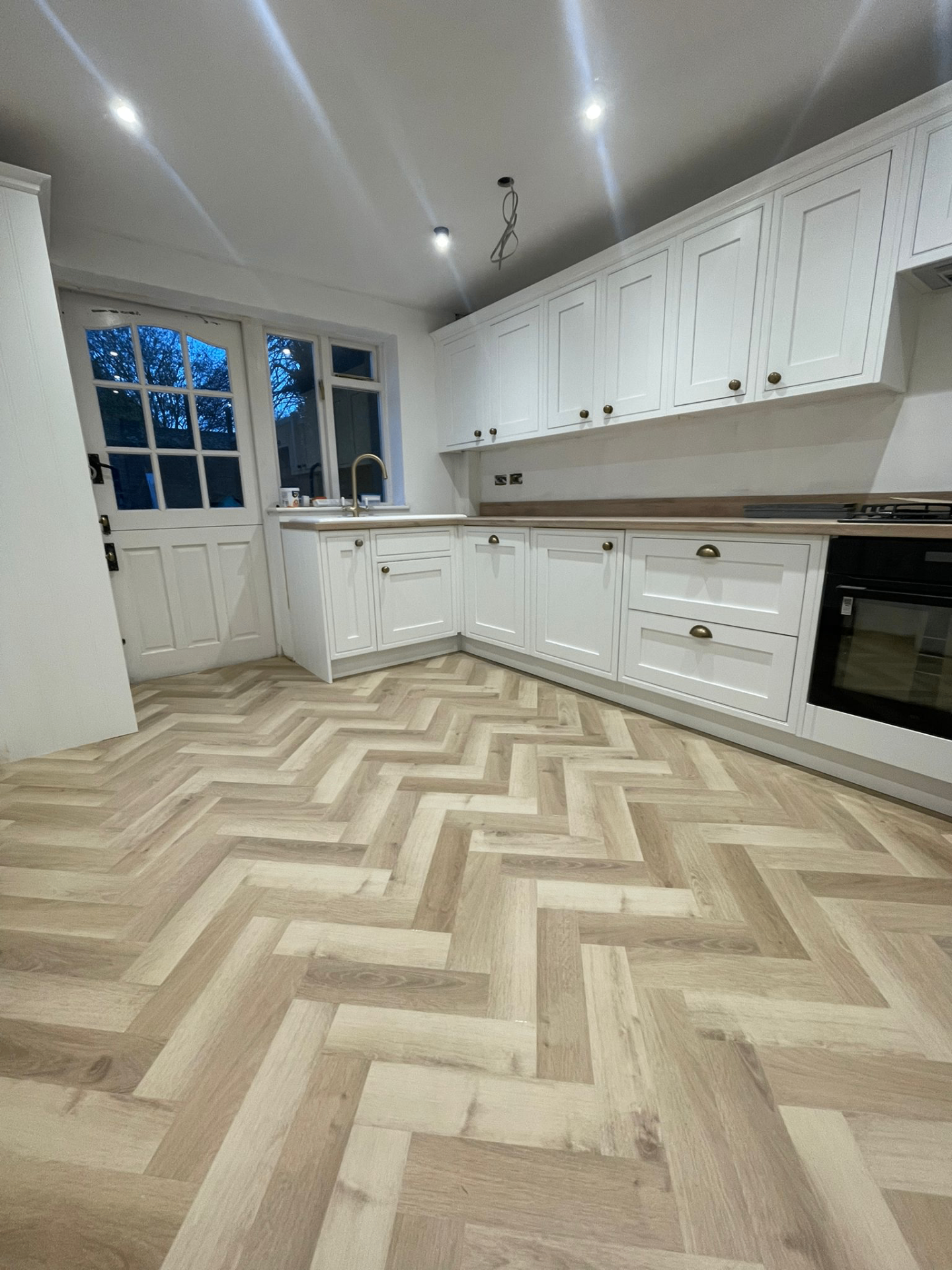
In a Greenwich Victorian we almost always ply overlay before LVT (6mm marine ply, screwed on 200mm centres) so the plank joins don't telegraph through the original board line.
What victorian property flooring in Greenwich actually involves
In a Greenwich Victorian we almost always ply overlay before LVT (6mm marine ply, screwed on 200mm centres) so the plank joins don't telegraph through the original board line.
Period properties have suspended timber and lath ceilings below — no aggressive sanding.
- Original floorboards protected, screwed down where squeaky
- 6mm ply overlay before LVT so plank joins don't telegraph
- Stripe runners and brass rods on Victorian stair flights
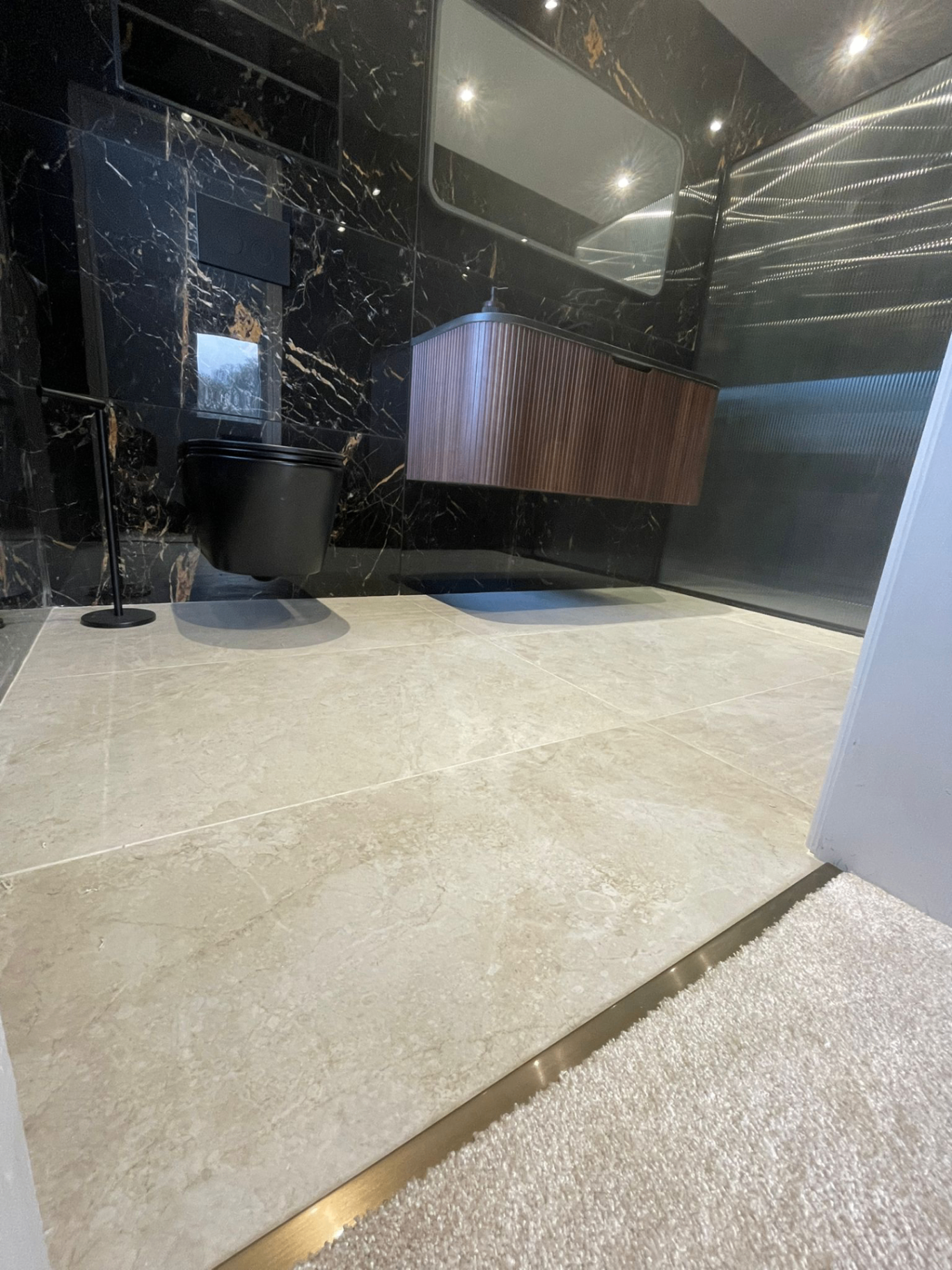
- Sympathetic transitions where flooring meets tiled hallways
Before we quote a lvt job in Greenwich
- Subfloor flatness
LVT shows every bump — georgian and victorian period homes subfloors in Greenwich almost always need ply or self-levelling screed first.
- Door undercut
We trim doors on the day so they swing cleanly over glue-down LVT — no scraping, no callbacks.
- Pattern direction
Plank run follows the longest sightline; in narrow Greenwich hallways that means front-door to kitchen.
“Fantastic & efficient service from the team — quote was back to me really quick, and best value I could find after phoning around and shopping for weeks on end. Highly recommended.” — Sam Lorkins, verified Google review
Bottom line: an older Greenwich home deserves a fitter who understands originality — that's how we quote them.
Postcodes: SE10/SE3 · Routes: the A2 and Blackwall Tunnel approach · Common build: Georgian and Victorian period homes.
Covering Greenwich Peninsula, West Greenwich, Maze Hill.
Relevant finishes for victorian property flooring
Victorian Property Flooring in Greenwich — common questions
No — we screw squeaky boards, we don't remove them. If you ever want to expose them again, everything we lay comes back up without harming the pine.
Yes — we cut a bespoke oak or brass threshold to sit flush with the tile edge. It looks intentional, not patched.
Regularly. Standard is a 27" wool runner with brass rods; we also do fully bound edges if you want a bolder line.
Ply overlay (6mm marine ply, screwed) hides most subfloor variation. If a joist is failing we'll flag it — we don't hide structural issues under a new floor.