
Victorian and Edwardian flooring in Sidcup
Stair runners suit period Sidcup homes best — carpet down the centre, stained sides showing at the edges, brass rods or invisible clips at each riser. We do this a lot around DA14/DA15.
What victorian property flooring in Sidcup actually involves
Stair runners suit period Sidcup homes best — carpet down the centre, stained sides showing at the edges, brass rods or invisible clips at each riser. We do this a lot around DA14/DA15.
1930s pine boards over joists — usually need a 6mm ply overlay before LVT or vinyl.
- Original floorboards protected, screwed down where squeaky
- 6mm ply overlay before LVT so plank joins don't telegraph
- Stripe runners and brass rods on Victorian stair flights
- Sympathetic transitions where flooring meets tiled hallways
Three things that decide a lvt fit in Sidcup
- Subfloor flatness
LVT shows every bump — 1930s bay-fronted semis subfloors in Sidcup almost always need ply or self-levelling screed first.
- Door undercut
We trim doors on the day so they swing cleanly over glue-down LVT — no scraping, no callbacks.
- Pattern direction
Plank run follows the longest sightline; in narrow Sidcup hallways that means front-door to kitchen.
“Jordan is polite and amiable. He gets on with his work without a fuss — truly professional approach from start to finish. Shall definitely use again in the future.” — Kell Ward, verified Google review
Recap — period property fits across DA14/DA15 from £40/m², including full subfloor prep.
Postcodes: DA14/DA15 · Routes: the A20 · Common build: 1930s bay-fronted semis.
Covering Sidcup Hill, Halfway Street, New Eltham border.
Relevant finishes for victorian property flooring
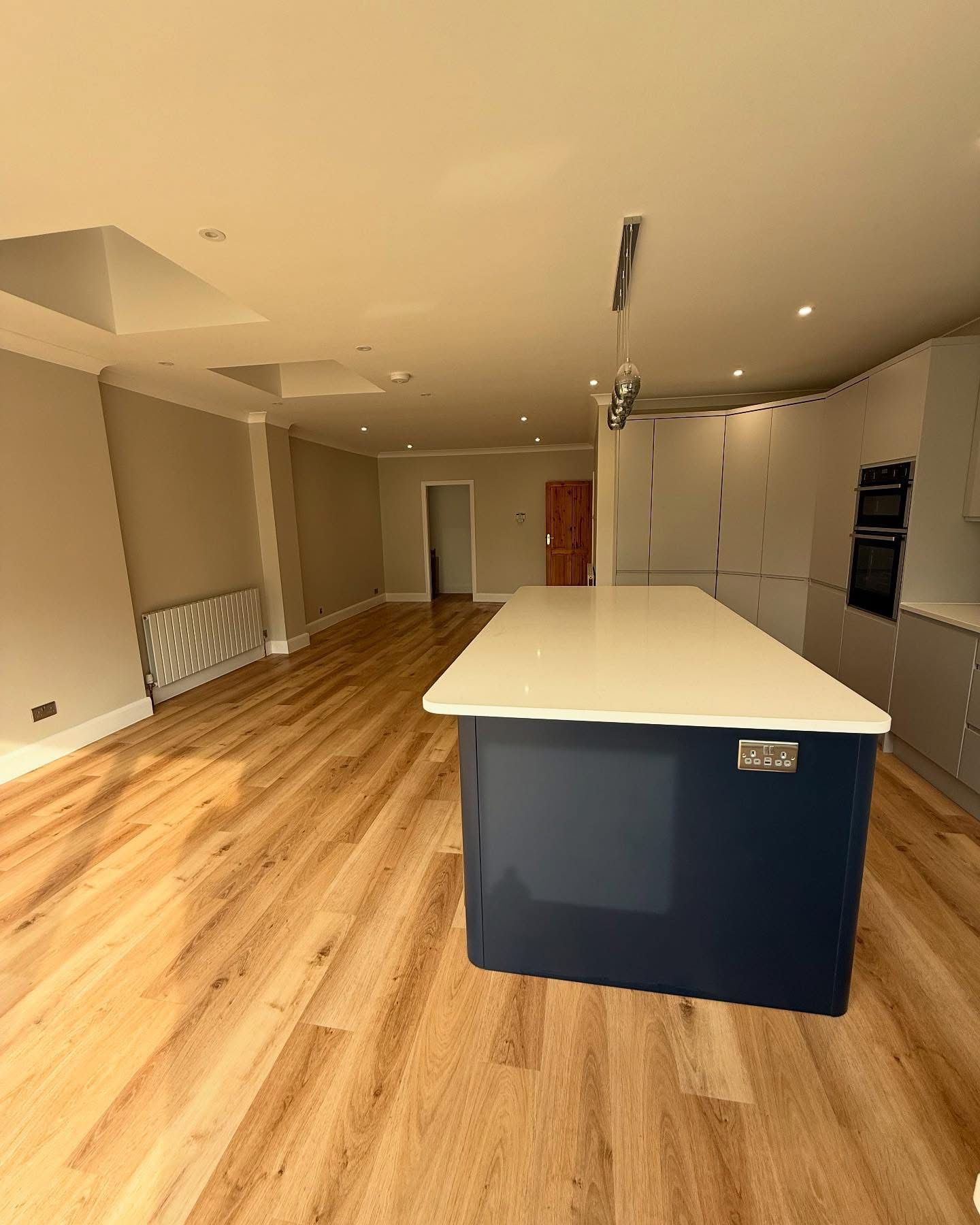
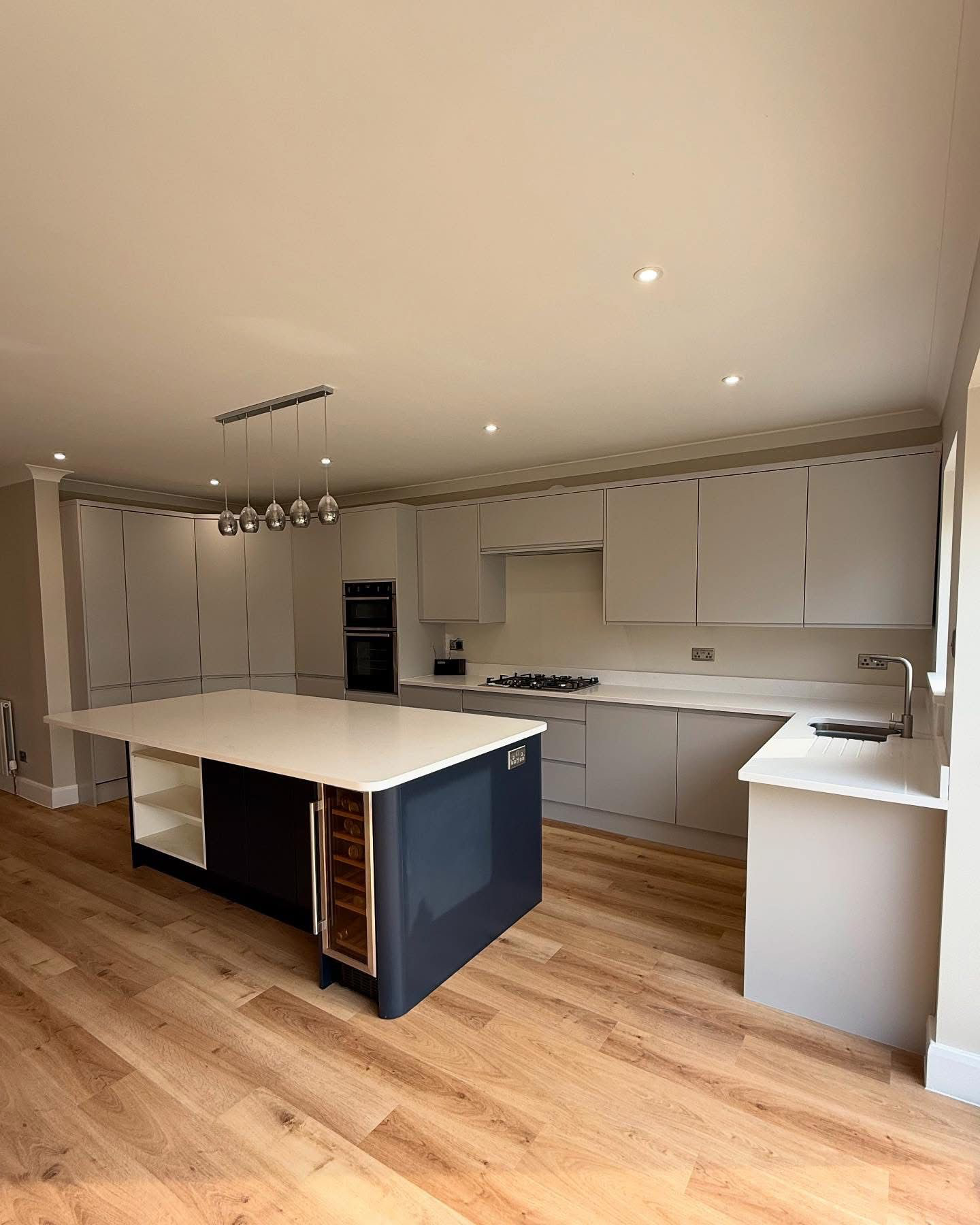
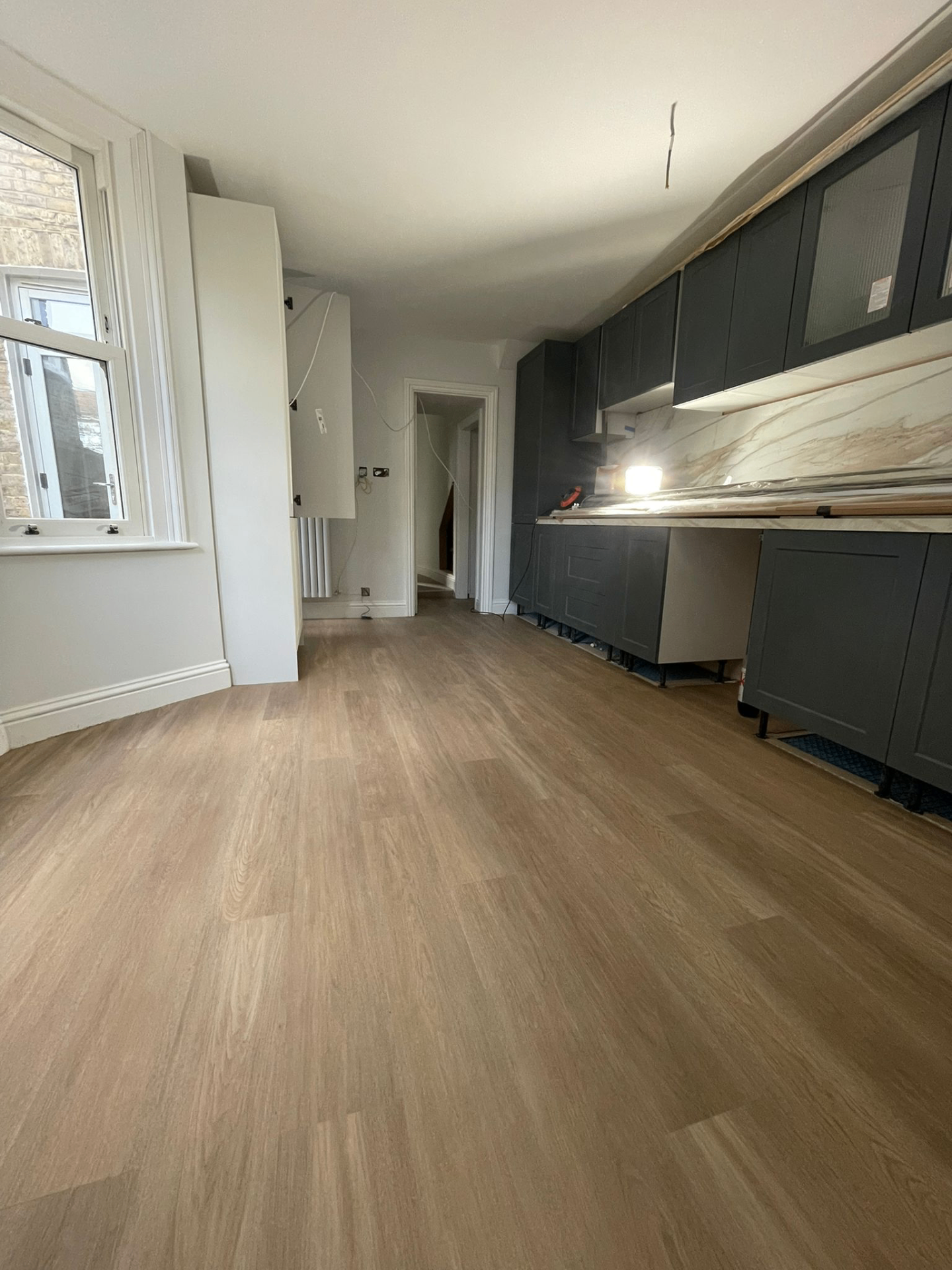
Victorian Property Flooring in Sidcup — common questions
Ply overlay (6mm marine ply, screwed) hides most subfloor variation. If a joist is failing we'll flag it — we don't hide structural issues under a new floor.
Regularly. Standard is a 27" wool runner with brass rods; we also do fully bound edges if you want a bolder line.
Yes — we cut a bespoke oak or brass threshold to sit flush with the tile edge. It looks intentional, not patched.
No — we screw squeaky boards, we don't remove them. If you ever want to expose them again, everything we lay comes back up without harming the pine.