
Cork flooring installation
Cork flooring is available in products with different construction and fitting requirements. A bonded tile and a click-fit board need different installation plans, even when both are described as cork. The right starting point is the exact product, the room and the floor underneath. JT Flooring offers a free site visit and a written quote for the proposed installation.
Separate appearance from product construction
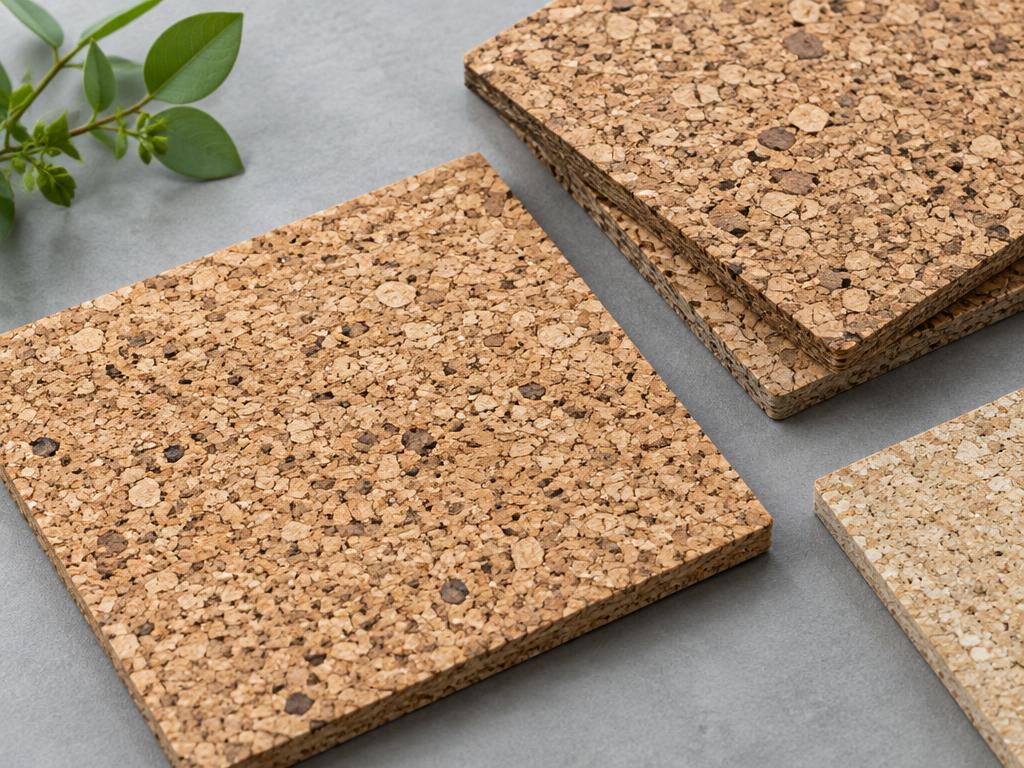
Choose the look you want, then check how the selected flooring is made and fitted. A cork surface does not tell you whether the product is a tile for bonding or a board with a joining system. Keep the product specification with the sample so the proposed installation is based on its actual construction rather than the material name alone.
Look at colour and texture beside the room’s furniture and adjoining finishes. The size of each piece influences the layout as well as the appearance: small tiles and larger boards produce different lines across the floor. Decide how you want those lines to read from the doorway before placing an order for the covering.
Choose between the specified fitting methods
A glue-fixed cork product needs the base and adhesive arrangement specified by its manufacturer. A click-fit product needs a plan for the assembled floor and its perimeter. These are not interchangeable methods, and the choice should follow the actual flooring being installed. Check the instructions before buying adhesive, underlay or other fitting accessories.
For a floating system, consider fixed units and the boundaries between rooms in the layout. For a bonded system, consider the condition and readiness of the receiving surface. In either case, the complete installation includes its doorway finishes and any preparation beneath the decorative covering. Those details should be agreed with the product choice, not left until fitting day.
Assess the supporting floor and finished height
The base needs checking for movement, uneven areas and remaining adhesive from an earlier floor. Concrete may need smoothing and moisture assessment; timber needs inspecting for stability and any required overlay. The preparation follows the chosen product’s requirements and the condition found at the survey, rather than a standard layer added without checking.
The full floor build-up affects door clearance and the transition into neighbouring rooms. Include the covering, any backing or underlay and preparation when considering the finished level. A neat threshold depends on the relationship between both surfaces, so discuss existing door bars and changes of height before selecting the final edge detail.
Match the room to the product’s guidance
Read the intended-use and care guidance for the exact cork flooring before choosing it for a room. Do not infer wet-area suitability from the surface name or a photograph of a different product. The manufacturer’s specification should answer the questions about the proposed setting, cleaning and any conditions that must be observed during fitting.
Think about how furniture will sit on the finished floor and which routes will receive regular use. These practical details belong in the conversation alongside colour. If you are comparing cork with laminate or LVT, compare the whole product and installation system for your room rather than expecting one material description to answer every question.
Arrange preparation, fitting and return to use
A complete quotation should show the product being fitted and the work required below it. Agree any old-floor uplift, disposal, levelling, fixing materials and thresholds. Furniture and access arrangements also affect the sequence. Having those items clear makes the installation proposal easier to compare and avoids leaving practical decisions until the room is being cleared.
Installation time depends on the area, layout and preparation, together with any product-specific requirements before or after laying. Keep the fitting and care instructions available and discuss when the room can be used again. The free site visit helps establish the scope so the decorative floor, supporting surface and finished edges are planned together.
Cork flooring installation questions
Is cork flooring always glued down?
Cork products can have different fitting systems. The selected range determines whether the installation is bonded or click-fit, together with the required base, backing and edge arrangements.
Can cork flooring go straight over old boards?
The boards and the chosen product need checking first. Movement, unevenness and the required finished level affect whether preparation or an overlay is needed before fitting.
How do I choose cork flooring for a particular room?
Check the exact product’s room-suitability and cleaning guidance, then compare samples in the space. Consider furniture, adjoining floors and how the room is used before settling on a range.
What affects the installation cost and schedule?
The fixing system, room size, cutting, uplift, preparation and doorway details affect the work. Product instructions also determine any preparation or waiting periods included in the fitting plan.