
Carpet repair and stretching
A ripple, loose edge or damaged area does not always mean the whole carpet needs replacing. Carpet repair and stretching start with checking the covering and the way it is held in place. The condition of the carpet, underlay and gripper helps determine what work makes sense. Arrange a free site visit to discuss the problem and receive a written quote.
Describe the problem before choosing a remedy
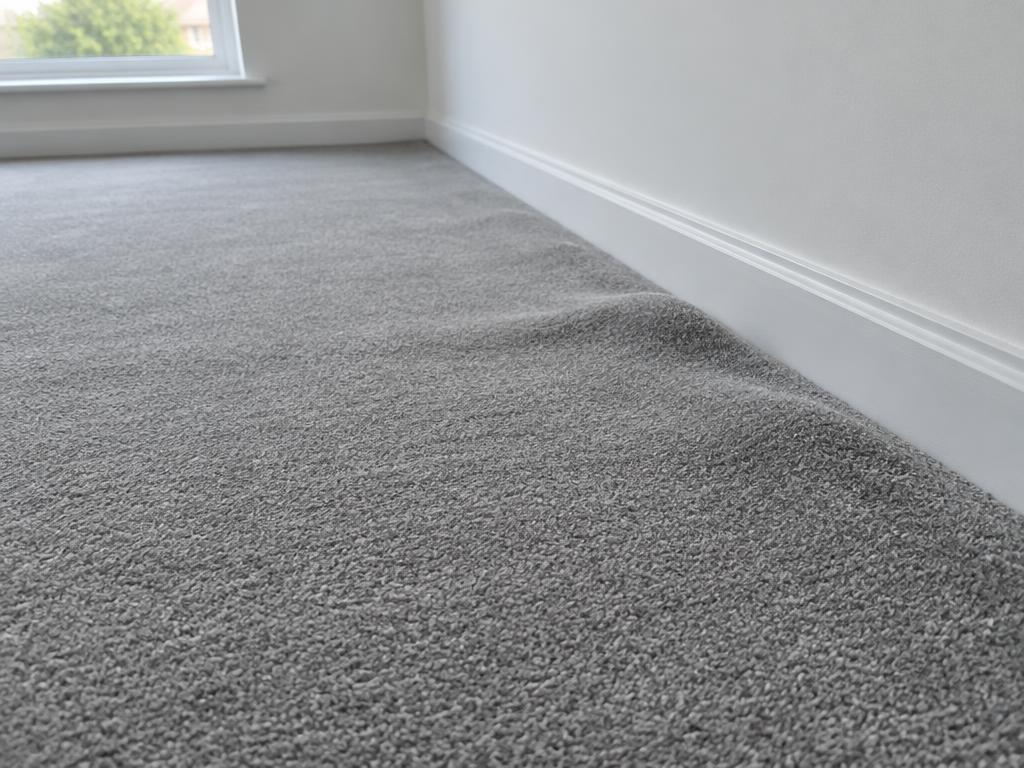
Begin with what has changed: a ripple across the room, an edge pulling away or a problem beside a doorway. Note whether the issue affects one area or several, and whether furniture prevents access to it. These observations help focus the inspection without assuming every loose carpet needs the same adjustment or repair.
The covering must be considered with the materials beneath it. Worn underlay, insecure gripper or movement in the supporting floor can affect how a carpet sits. Looking only at the visible ripple may miss the reason it has developed. The survey should establish what can be adjusted and whether other preparation is needed before the carpet is secured again.
Understand what carpet stretching addresses
Stretching concerns the tension of a fitted carpet and its attachment around the room. The carpet’s condition and available material at the edges affect the work that can be done. It is different from removing a stain or restoring worn pile. Assessing those separate issues helps decide whether adjustment will address the problem you want resolved.
Our carpet fitting guidance describes knee kickers and power stretchers as part of fitting, alongside secure gripper and appropriate underlay. Choosing a tool is only one element of the work. Access, edge condition and the stability of the fixing points matter too, so a repair decision should follow inspection rather than a suggestion based solely on a photograph.
Check gripper, doorways and loose edges
Carpet gripper holds the perimeter of a fitted carpet, and that edge arrangement needs to be secure before tension is addressed. At a doorway, the transition to another covering also needs checking. A loose edge may involve the carpet, its fixing or the door bar, so the required work should be established from the actual junction.
Mention any recent changes to adjoining floors, skirtings or furniture positions. These can help explain which details need examining, without determining the remedy on their own. If the work includes lifting an edge, the underlay and base can be considered at the same time. Agree any replacement fixing materials as part of the quoted scope.
Consider local damage separately from tension
A damaged area raises different questions from a ripple. The extent of the damage, its position and the condition of the surrounding carpet influence whether a local repair is sensible. If you have an offcut from the original fitting, keep it available for the assessment. The fibre, pile direction and appearance need considering before choosing an approach.
A repair cannot be judged by size alone. A small area in a prominent position may be more noticeable than a larger issue under furniture, and a change in texture can remain visible. Discuss the appearance you want to achieve as well as the practical problem. Replacement may be the more suitable option where the covering is broadly worn or damaged.
Agree the scope and clear working access
Tell us about beds, wardrobes and any items that restrict access to the carpet edges. Stretching and refixing require a working plan for the room, not just the visible affected patch. Furniture arrangements should be agreed before the visit for the work. Keep the problem area accessible for inspection so the quote can reflect what needs doing.
The written quote should distinguish adjustment, repair, fixing materials and any work beneath the carpet. If replacement is recommended, the carpet and fit-only pages explain those alternatives. The aim of the survey is to choose an appropriate next step for the covering you have, with the problem, condition and proposed work considered together.
Carpet repair and stretching questions
Can stretching remove every carpet ripple?
The carpet, edges and supporting materials need assessing first. Stretching addresses tension, but the condition of the covering and fixing points determines whether it is an appropriate remedy.
Should I keep an offcut for a possible carpet repair?
Yes, keep it available for assessment. A piece from the original fitting allows its pile, direction and appearance to be compared with the damaged area before a repair approach is discussed.
Does the furniture need to be moved?
Access to the affected area and relevant edges is needed. Tell us about furniture at the survey so clearing and handling arrangements can be agreed for the proposed work.
What affects the cost and time of carpet repair?
The type and extent of the problem, carpet condition, access and any gripper, underlay or base work affect the scope. The survey establishes those items before the written quote and work arrangements are agreed.